Jaw crushers and cone crushers are two of the most common types of stone crushers used in mining and construction. Both types of crushers use compressive force to break down rocks, but they have different advantages and disadvantages. Which is right for you? Read this article.
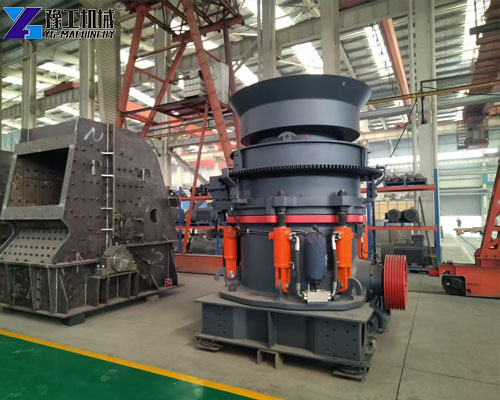
Jaw Crusher vs. Cone Crusher
Cone crushers have a wide range of uses and high crushing efficiency. Cone crushers are mainly used for secondary and tertiary crushing according to different application requirements.
- Standard type cone crusher – secondary crushing equipment
- Short-head cone crusher – fine crushing equipment
However, for primary crushing, jaw crushers are more commonly used in mining and quarry production lines. In large-scale mining projects, gyratory crushers may also be used for coarse crushing. In order to correctly select and rationally use crushing equipment, they are briefly analyzed and compared as follows.
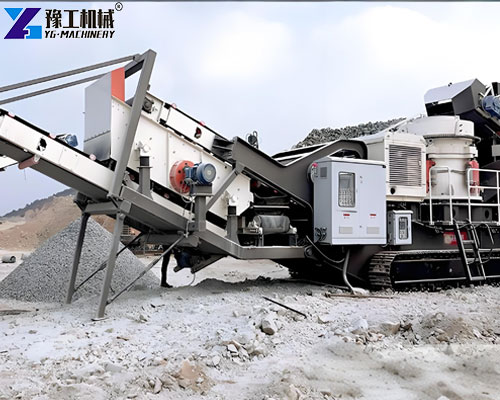
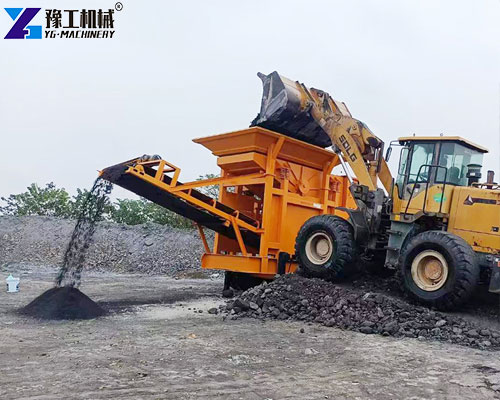
Main Advantages of Cone Crusher (compared to Jaw Crusher):
The depth of the crushing cavity is large, allowing continuous crushing operations and high production efficiency.
In secondary and tertiary crushing applications, hard rock crushers generally provide higher output and lower energy consumption per ton of material compared with jaw crushers;
The work is relatively stable, the vibration is light, and the basic weight of the machine equipment is relatively small. Cone crushers usually operate with lower vibration and more stable performance than jaw crushers;
Cone crushers are suitable for producing more uniform and cubic-shaped aggregates, making them ideal for highway, railway, and high-quality concrete production projects;
Cone crushers are widely used in hard rock crushing applications such as granite, basalt, quartz, and iron ore;
Compared with jaw crushers, cone crushers usually provide better finished product particle shape and more efficient medium and fine crushing performance.
Disadvantages of cone crushers
However, secondary crushers also have the following disadvantages:
Installation and maintenance are relatively complicated, and maintenance is less convenient than jaw crushers.
The rotating body is higher, generally 2-3 times higher than the jaw crusher, so the construction cost of the plant is relatively high;
The weight of the machine is large. It is generally heavier than a jaw crusher with the same feeding opening size, so the investment cost is relatively higher;
It is not suitable for crushing wet and sticky ores;
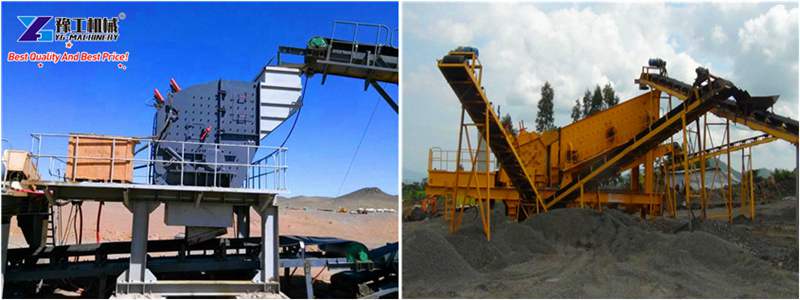
Which Type of Crusher is Right for You?
In many crushing plants, jaw crushers and cone crushers are used together to achieve higher crushing efficiency and better aggregate quality.
The best type of crusher for you will depend on your specific needs. When selecting crushing equipment, factors such as ore hardness, moisture content, feed size, required finished product size, production capacity, and project budget should all be considered.
- If you need a crusher for primary crushing, a jaw crusher is usually the best option.
- If you need a crusher for secondary or tertiary crushing, a cone crusher is a better option.
| Characteristic | Jaw Crusher | Cone Crusher |
|---|---|---|
| Crushing Stage | Primary Crushing | Secondary/Tertiary Crushing |
| Reduction Ratio | 3:1 to 6:1 | 4:1 to 8:1 |
| Efficiency | Moderate | High |
| Operating Costs | Low | Moderate |
| Maintenance Costs | Low | Moderate |
| Durability | High | High |
| Wet & Sticky Materials | Better | Poor |
| Finished Product Shape | Moderate | Better Particle Shape |
In Conclusion
When processing large and hard materials in primary crushing applications, jaw crushers are usually preferred because of their simple structure, large feed opening, and strong crushing capacity.
For secondary and tertiary crushing stages, especially in aggregate production projects requiring better particle shape and higher production efficiency, cone crushers are generally the preferred choice.
When crushing wet and sticky ores, or in small and medium-sized processing plants with limited budgets, jaw crushers are often more suitable. As for underground crushing applications, jaw crushers are also commonly used because of their simpler structure and easier maintenance.ant is located on a slope. When crushing wet and sticky ores…. When crushing wet and sticky ores, or in small and medium-sized processing plants with smaller production scale, jaw crushers should be used. As for underground crushing, jaw crushers are usually used.