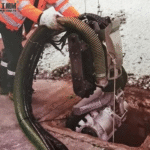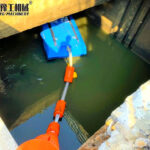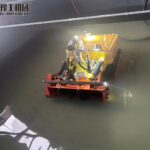
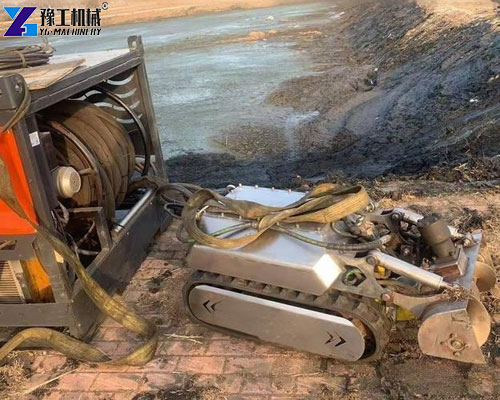
Across many industries and environmental projects, sediment buildup is a common challenge. Lakes, lagoons, industrial tanks, and wastewater treatment systems gradually accumulate sludge, silt, and debris over time. If not removed regularly, this sediment can reduce water capacity, affect equipment performance, pollute water sources, and even disrupt production schedules.
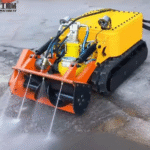
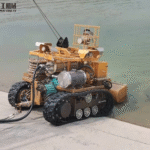
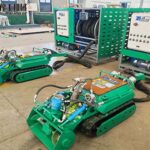
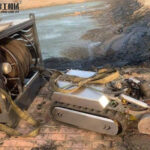
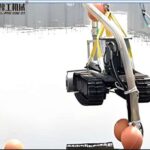
To solve these issues efficiently and safely, many organizations now use a sediment dredging robot. This advanced robotic system is designed to remove sediment, sludge, and silt from different environments without large-scale manual labor or long shutdown periods.
From environmental protection projects to factory maintenance, the sediment dredging robot provides a modern and reliable dredging solution.
Sediment Dredging Robot Parameters
| Parameter | YG500 | YG600 | YG700 | YG800 | YG900 | YG1200 |
| Robot Dimensions (mm) | 1500*500*650 | 1500*600*650 | 1600*700*650 | 1600*850*700 | 1650*960*750 | 1900*1200*750 |
| Dredging Width (mm) | 500 | 600 | 700 | 800 | 900 | Suitable for large culverts |
| Travel Speed (m/s) | 3–15 | 3–15 | 3–15 | 3–15 | 3–15 | 0–17 m/min |
| Pump Diameter (inch) | 3 | 3 | 4 | 4 | 4 | 4or6 |
| Pump Flow (m³/h) | 100 | 100 | 160 | 160 | 200 | 250 |
| Pump Head (m) | 0–30 | 0–30 | 0–25 | 0–25 | 0–25 | 0–30 (Horizontal: 100–150m) |
| Hydraulic Station Dimensions (mm) | 2200*1200*1700 | 2200*1200*1700 | 2200*1200*1700 | 2200*1200*1700 | 2200*1200*1700 | 2120*1240*1200 |
| Main Motor Power (kW) | 18 | 18 | 22 | 22 | 22 | 45KW (50KW) or Diesel 76KW (123KW) |
| Hydraulic System Pressure (Mpa) | 0–16 | 0–16 | 0–16 | 0–16 | 0–16 | Not specified |
| Particle Size (mm) | 15 | 15 | 40 | 40 | 50 | 0–40 (customizable) |
| Winch Speed (r/min) | 0–10 | 0–10 | 0–10 | 0–10 | 0–10 | 0–10 |
| Pipe Length (m) | 30–50 Optional | 30–50 Optional | 30–50 Optional | 30–50 Optional | 30–50 Optional | 30m/pack, 20kg pressure resistant, optional |
| Control System | Wireless Remote | Wireless Remote | Wireless Remote | Wireless Remote | Wireless Remote | Wireless Remote |
| Lighting System | Underwater LED*2 | Underwater LED*2 | Underwater LED*2 | Underwater LED*2 | Underwater LED*2 | Underwater LED*2 |
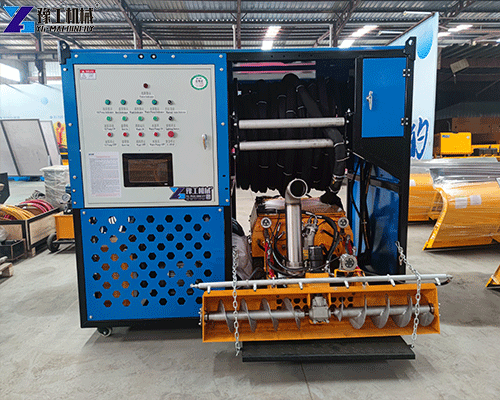
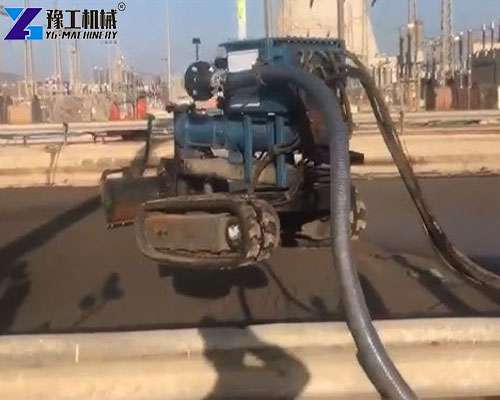
Where Is a Sediment Dredging Robot Used?
A sediment dredging robot is widely used in both industrial and environmental cleaning projects.
Typical application scenarios include:
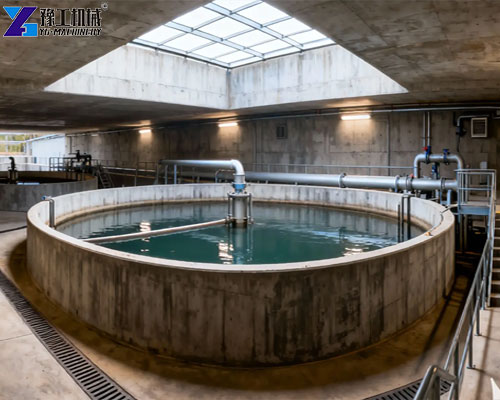
- Wastewater treatment plants – cleaning sludge in sedimentation tanks
- Industrial factories – removing sludge from tanks and reservoirs
- Lakes and ponds – restoring water quality with a lake dredging robot
- Lagoon treatment systems – sludge removal using a lagoon dredging robot
- Municipal water systems – maintaining water storage reservoirs
- Mining and slurry ponds – clearing sediment accumulation
- Ports and small waterways – removing silt deposits
These robots can operate continuously without interrupting production processes. This means factories can maintain clean systems without affecting project timelines or operations.
At the same time, robotic dredging technology helps protect the environment by removing harmful sludge and improving water circulation.
Key Features of the Sediment Dredging Robot
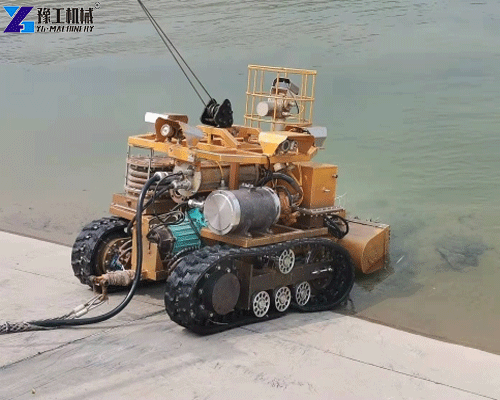
Modern sediment dredging robots combine automation, powerful pumping systems, and intelligent control technology.
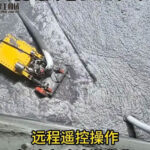
1.Remote Control Operation
Operators can control the robot from a safe distance through a remote control system and display screen. This allows precise dredging while avoiding dangerous working conditions.
2.High-Efficiency Sludge Removal
Equipped with a high-power pump, the silt removal robot can quickly remove sediment and sludge, improving dredging efficiency compared with traditional manual methods.
3.360° Cleaning Coverage
The robot can operate with rotating dredging heads or spray systems, allowing full coverage cleaning of tank floors, lagoon bottoms, and sedimentation tanks.
4.Compact Design for Confined Spaces
Many tanks and treatment systems have limited access points. The sedimentation tank dredging robot is designed with a compact entry structure, enabling it to enter through narrow openings.
5.Durable Structure
The robot is built with strong materials suitable for long-term industrial operations, ensuring stable performance in harsh environments.
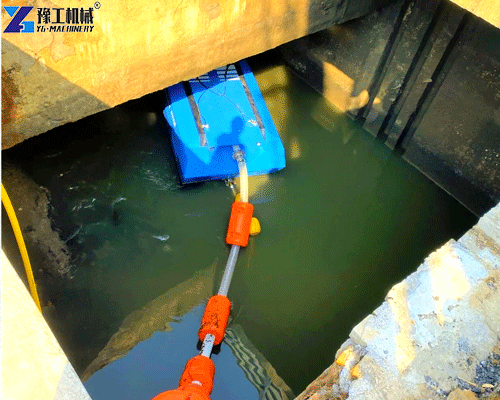
Environmental Benefits of Sediment Dredging Robots
A sediment dredging robot not only improves industrial efficiency but also helps protect the environment.
- Improved Water Quality: Removing sludge helps reduce contamination and improves water circulation in lakes and lagoons.
- Reduced Environmental Impact: Compared with large dredging vessels, robotic dredging causes less disturbance to aquatic ecosystems.
- Sustainable Water Management: Regular dredging using a lake dredging robot helps maintain water storage capacity and prevents long-term environmental damage.
How to Choose the Right Sediment Dredging Robot?
Different projects require different dredging solutions. When selecting a sediment dredging robot, customers typically consider several key factors.
1. Dredging Environment
Is the robot used in a lake, lagoon, sedimentation tank, or industrial reservoir?
Different environments require different dredging configurations.
2. Pump Capacity
Sediment density and sludge thickness affect the required pump power.
Higher pump capacity may be needed for heavy sludge.
3. Working Depth
Some projects require deeper dredging, especially in lakes or lagoons.
The robot should support the required operating depth.
4. Mobility and Size
If the robot needs to enter small tanks, a compact sedimentation tank dredging robot is usually preferred.
5. Control System
A reliable remote control system with monitoring display improves operational safety and efficiency.
FAQ – Sediment Dredging Robot
1.What is a sediment dredging robot?
A sediment dredging robot is an automated machine used to remove sludge, silt, and sediment from lakes, tanks, lagoons, and industrial reservoirs.
2.What is the difference between a silt removal robot and a sediment dredging robot?
Both machines remove sediment.
A silt removal robot mainly focuses on fine sediment, while a sediment dredging robot can handle larger volumes of sludge and mixed deposits.
3.Can the robot work in wastewater treatment plants?
Yes. A sedimentation tank dredging robot is commonly used in wastewater treatment facilities to remove sludge from sedimentation tanks.
4.Is the robot difficult to operate?
No. Most systems are equipped with remote control operation and monitoring screens, making them easy to operate.
5.Can the robot be customized?
Yes. Manufacturers can customize pump power, robot size, control systems, and dredging heads according to project requirements.
Why Choose YG Machinery?
YG Machinery is a professional manufacturer of dredging and industrial cleaning equipment with extensive global experience.
The company provides:
- High-quality sediment dredging robots
- Customized dredging solutions for different industries
- Reliable equipment for lakes, lagoons, factories, and wastewater plants
- Professional technical support and after-sales service
YG Machinery has supplied dredging equipment to customers in many countries, helping them improve cleaning efficiency while reducing labor costs.
Sediment Dredging Robot in YG Machinery
Sediment accumulation can create serious operational and environmental problems. Using a sediment dredging robot provides a safe, efficient, and environmentally friendly solution for removing sludge and sediment.
Whether used as a sedimentation tank dredging robot, lagoon dredging robot, silt removal robot, or lake dredging robot, robotic dredging technology allows industries and environmental projects to maintain cleaner systems and operate more efficiently.
For companies seeking reliable dredging equipment, a professional sediment dredging robot can significantly improve both productivity and environmental sustainability.