Lakes, artificial lakes, lagoons, and ponds can gradually accumulate silt, sludge, and other sediment on their beds. Over time, these deposits may reduce water depth, affect water storage capacity, and increase maintenance requirements.
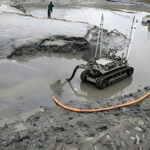
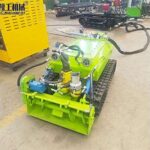
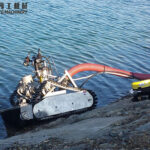
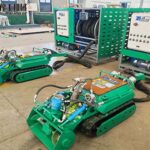
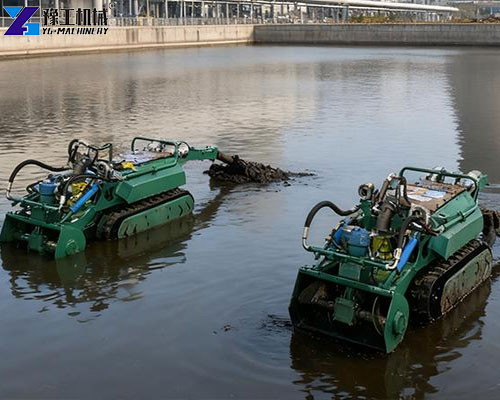
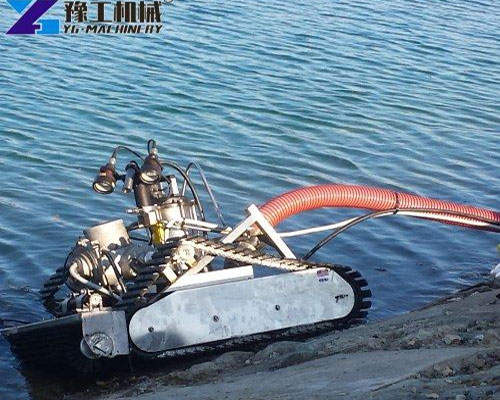
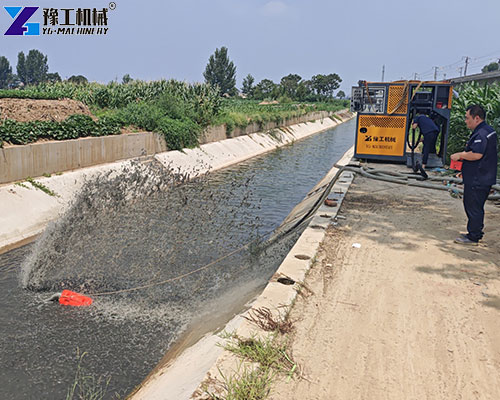
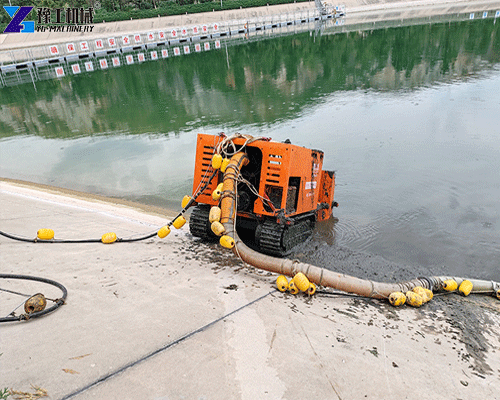
A lake dredging robot provides a remote-controlled option for removing accumulated sediment from suitable water bodies. Equipped with a compatible dredging pump and discharge pipeline, the robot collects and transfers sediment to a designated location without requiring operators to work directly in the water during normal remote operation.
YG Machinery offers different dredging robot models for a range of sediment removal applications. The appropriate model depends on water depth, sediment characteristics, lake dimensions, access conditions, and the required pumping distance.
Whether you are maintaining an artificial lake, cleaning a resort lagoon, or removing accumulated sediment from a suitable pond, YG Machinery can help assess your project requirements and recommend an appropriate configuration.
Request a Free Quote: Share your lake dimensions, estimated water depth, sediment conditions, and discharge requirements to discuss a suitable lake dredging solution.
Lake Dredging Robot parameters
YG Machinery’s YG500–YG1200 series includes different robot dimensions and pumping configurations. The following table summarizes the available specifications. Confirm the final model configuration and operating parameters with the technical team before ordering.
| Parameter | YG500 | YG600 | YG700 | YG800 | YG900 | YG1200 |
| Robot Dimensions (mm) | 1500*500*650 | 1500*600*650 | 1600*700*650 | 1600*850*700 | 1650*960*750 | 1900*1200*750 |
| Dredging Width (mm) | 500 | 600 | 700 | 800 | 900 | Suitable for large culverts |
| Travel Speed (m/min) | 3–15 | 3–15 | 3–15 | 3–15 | 3–15 | 3–17 |
| Pump Diameter (inch) | 3 | 3 | 4 | 4 | 4 | 4or6 |
| Pump Flow (m³/h) | 100 | 100 | 160 | 160 | 200 | 250 |
| Pump Head (m) | 0–30 | 0–30 | 0–25 | 0–25 | 0–25 | 0–30 (Horizontal: 100–150m) |
| Hydraulic Station Dimensions (mm) | 2200*1200*1700 | 2200*1200*1700 | 2200*1200*1700 | 2200*1200*1700 | 2200*1200*1700 | 2120*1240*1200 |
| Main Motor Power (kW) | 18 | 18 | 22 | 22 | 22 | 45KW (50KW) or Diesel 76KW (123KW) |
| Hydraulic System Pressure (Mpa) | 0–16 | 0–16 | 0–16 | 0–16 | 0–16 | Not specified |
| Particle Size (mm) | 15 | 15 | 40 | 40 | 50 | 0–40 (customizable) |
| Winch Speed (r/min) | 0–10 | 0–10 | 0–10 | 0–10 | 0–10 | 0–10 |
| Pipe Length (m) | 30–50 Optional | 30–50 Optional | 30–50 Optional | 30–50 Optional | 30–50 Optional | 30m/pack, 20kg pressure resistant, optional |
| Control System | Wireless Remote | Wireless Remote | Wireless Remote | Wireless Remote | Wireless Remote | Wireless Remote |
| Lighting System | Underwater LED*2 | Underwater LED*2 | Underwater LED*2 | Underwater LED*2 | Underwater LED*2 | Underwater LED*2 |
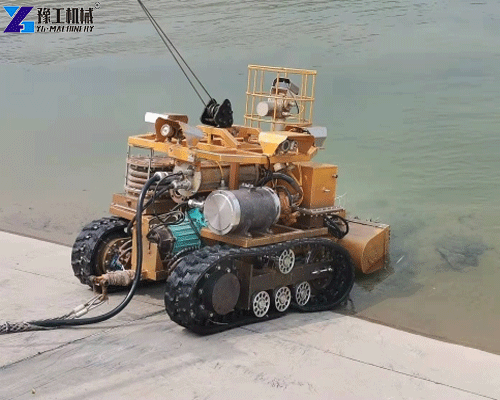
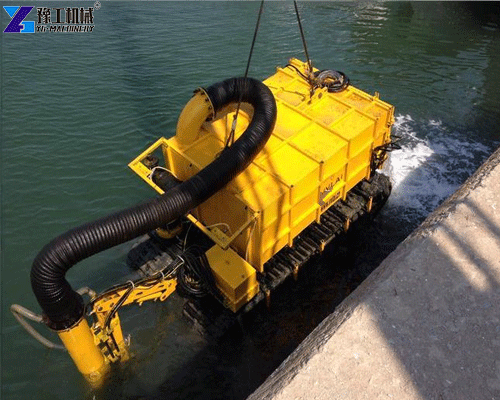
Why Is Lake Sediment Removal Necessary?
Sediment accumulates naturally in lakes and ponds. Excessive buildup can reduce water depth, limit storage capacity, and increase maintenance requirements.
1. Maintain Water Depth and Storage Capacity
Removing excess sediment helps maintain the intended depth and usable capacity of artificial lakes, resort lagoons, and water-storage ponds.
2. Manage Sludge and Organic Deposits
Fine silt and organic matter can accumulate over time. Periodic dredging helps manage excessive deposits and maintain the intended use of the water body.
3. Support Routine Maintenance
Artificial lakes and resort lagoons may require regular sediment removal to maintain their appearance and operating conditions. Maintenance frequency depends on sediment buildup and site requirements.
4. Address Sediment-Related Water Quality Concerns
Sediment removal may support water quality management when accumulated deposits contribute to specific problems. However, algae growth can also result from excess nutrients, sunlight, and temperature, so dredging alone cannot guarantee algae control.
Key Features of a Lake Dredging Robot
When choosing a lake dredging robot, consider its control system, pumping capability, dimensions, and compatibility with site conditions.
1. Wireless Remote-Controlled Operation
The listed YG models use wireless remote control, allowing operators to control the robot remotely and reducing the need to enter the water to guide the equipment manually. Appropriate site safety procedures are still necessary.
2. Pumping System for Sediment Transfer
The pump transfers collected sediment through a discharge pipeline. Selection depends on sediment type, particle size, solids concentration, pipeline length, and discharge conditions.
3. Different Robot Dimensions
The YG500–YG1200 series offers different overall dimensions for different access conditions. Check the available entrance, shoreline access, and lifting arrangements before selecting a model.
4. Underwater LED Lighting
The listed models include two underwater LED lights. Visibility still depends on water turbidity and operating conditions; confirm camera or video-monitoring options separately if required.
5. Configurable Dredging Arrangements
Pump specifications, pipeline length, and robot dimensions should match the project requirements. Provide the working depth, sediment characteristics, access dimensions, and discharge distance to help YG Machinery recommend a suitable configuration.
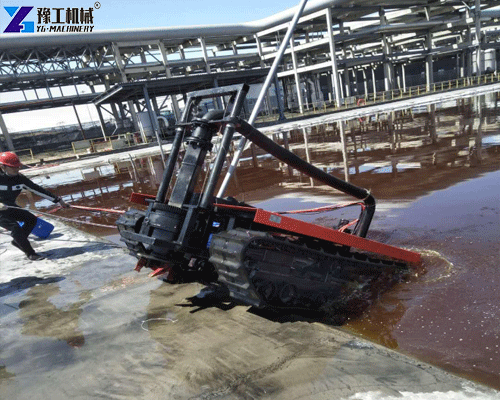
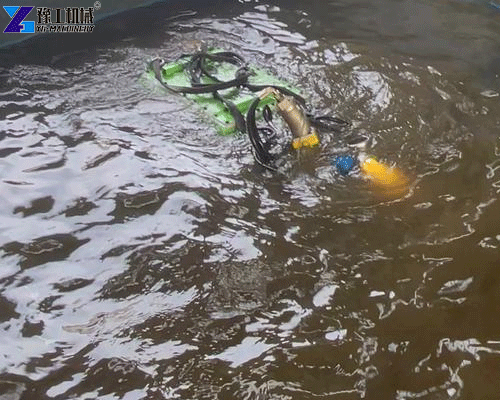
Applications of Lake Dredging Robots
A lake dredging robot may be suitable for localized sediment removal in a variety of water bodies, subject to the equipment’s operating limits and the conditions at the site.
1. Artificial and Urban Lakes
Artificial lakes in parks, residential developments, and public spaces can accumulate sediment from stormwater runoff and surrounding land. A suitable robot may help remove deposits from accessible areas of the lake bed.
2. Resort Lagoons and Landscape Water Features
Resort lagoons and landscape lakes may require periodic sediment removal to maintain their intended depth and appearance. Equipment selection should account for access from the shoreline, water depth, sediment characteristics, and discharge arrangements.
3. Ponds and Water-Storage Basins
Sediment can reduce the usable capacity of ponds and water-storage basins. Where the robot can safely access the working area, a suitable configuration may support routine sediment removal.
4. Selected Reservoirs and Water Channels
Some reservoirs and water channels require localized sediment removal. The suitability of a robotic system depends on water depth, current conditions, sediment volume, and the required pumping distance.
Large-scale or high-volume dredging projects may require comparison with other dredging methods before a final equipment choice is made.
5. Lagoons and Sediment-Retention Ponds
Lagoons and sediment-retention ponds may accumulate fine particles and sludge over time. A suitable dredging system can help transfer accumulated material to a designated location, provided that the sediment is compatible with the pump and discharge system.
For industrial or mining applications, assess the material’s abrasiveness, chemical properties, and solids concentration before selecting the equipment.
Brunei Case Study
In Brunei, YG deployed several lake dredging robots for a series of artificial lagoons in a resort project:
- Problem: Heavy sediment and algae accumulation threatened water quality and aesthetics
- Solution: YG500 robotic lake cleaners performed automated dredging across all lagoons, monitored remotely
- Results:
- Sediment removal efficiency increased 4x compared to manual methods
- Water quality and clarity improved significantly
- Maintenance cost reduced by 35%, with zero risk to staff
This demonstrates the high efficiency and safety of YG’s lake dredging robots, even in large-scale, sensitive water environments.
How to Choose the Right Lake Dredging Robot?
Selecting a lake dredging robot requires an assessment of the water body, the material to be removed, and the complete discharge arrangement.
1. Confirm Water Depth and Working Conditions
Provide the normal operating water depth and the maximum depth at the intended dredging location. Also identify currents, underwater obstacles, and other conditions that may affect equipment operation.
Do not assume every model supports the same working depth. Confirm the permitted operating depth for the proposed configuration.
2. Assess Sediment Type and Thickness
Describe whether the lake bed contains soft sludge, fine silt, compacted sediment, sand, or mixed material. Include approximate particle size, sediment thickness, and any debris that may affect pumping.
If the material contains abrasive particles or has unusual chemical properties, discuss compatibility with the pump and wetted components.
3. Estimate the Sediment Volume and Project Area
The area to be cleaned and the approximate sediment volume help determine the project scope. For larger lakes, consider whether the work will cover the entire bed or only selected sections.
A pump’s rated flow alone is not sufficient to calculate project duration. Actual solids concentration, operating efficiency, repositioning, and discharge conditions also matter.
4. Check Access and Equipment Dimensions
Determine how the robot will enter the water and how it will be retrieved. The launch location, shoreline slope, available lifting equipment, and transport arrangements may influence model selection.
Compare the robot’s overall dimensions and handling requirements with the access available at the site.
5. Calculate the Discharge Pipeline Requirements
Specify the distance from the dredging area to the discharge point, any elevation difference, and the expected pipeline route.
These factors influence the pump head required under actual operating conditions. Confirm that the selected pump and pipeline can work together within their specified limits.
6. Confirm Monitoring and Safety Requirements
Identify whether the project requires additional monitoring equipment, special materials, or other site-specific adaptations. Confirm which features are included in the standard configuration and which are optional.
For sensitive or regulated environments, complete the necessary environmental and safety assessments before starting dredging.
Request a Lake Dredging Robot Recommendation
To help YG Machinery assess your project, provide:
- Lake or lagoon dimensions and working water depth
- Sediment type, approximate thickness, and particle size
- Estimated area or volume to be dredged
- Required discharge distance and elevation difference
- Site access conditions and any special operating requirements
Photos, drawings, and site information can help the technical team assess model suitability and prepare a more relevant quotation.
FAQ about Dredging Robot
- Q: What is the ideal depth for operating a lake dredging robot?
A: YG models can operate in water up to 5 meters deep, with customizable options for deeper lakes. - Q: Can the robot handle hard or compacted silt?
A: Yes, with its high-powered suction and mechanical agitator, it can remove both soft sludge and compact sediments. - Q: How much does a lake dredging robot cost?
A: The price depends on the selected model, pumping configuration, pipeline requirements, and any additional equipment. To obtain a relevant quotation, provide the working depth, sediment characteristics, lake dimensions, and discharge distance. - Q: Can the robot be customized?
A: Minimal training is required; the robot is fully remote-controlled, and YG provides training and support.Configuration options should be assessed against the project requirements. Robot dimensions, pump arrangements, pipeline requirements, and additional monitoring equipment should be confirmed with the manufacturer before ordering.
Why Choose YG Machinery for Lake Dredging Equipment?
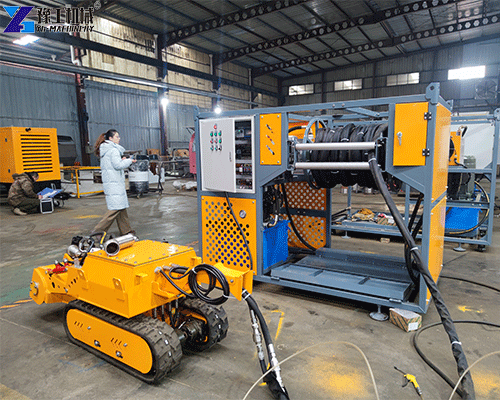
YG Machinery supplies dredging and industrial cleaning equipment for different sediment removal applications. Choosing a suitable system starts with understanding the actual working conditions rather than selecting equipment by pump flow alone.
When evaluating a lake dredging robot, YG Machinery can review your project information and discuss:
- Available robot sizes and listed specifications
- Pumping and discharge requirements
- Access and handling conditions
- Potential configuration options
- Technical information needed before purchase
For resort lagoons, artificial lakes, ponds, or other suitable water bodies, provide your project details so the team can assess which configuration may meet your requirements.
Request a Free Quote for Your Lake Dredging Project
Looking for a lake dredging robot to remove accumulated sludge and sediment? Contact YG Machinery with your water depth, sediment conditions, lake dimensions, and discharge requirements to discuss model suitability and pricing.