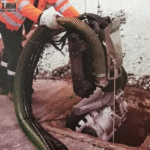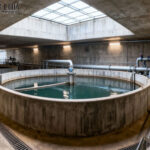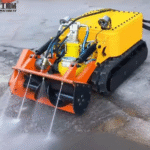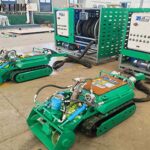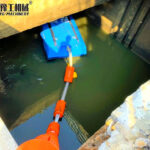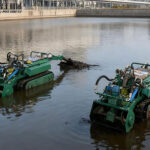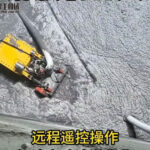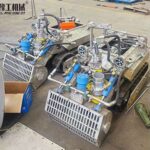
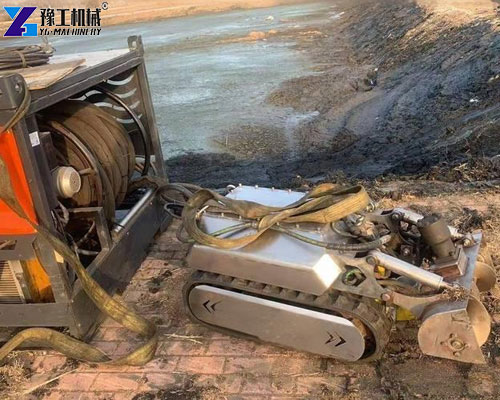
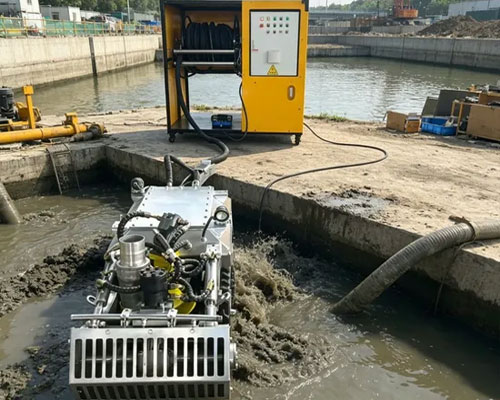
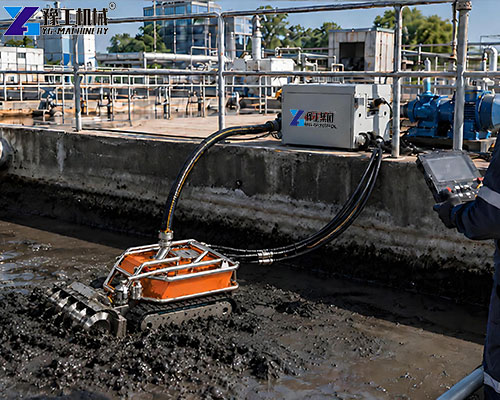
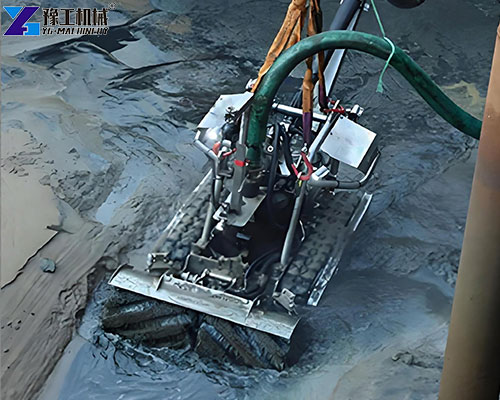
A sedimentation tank dredging robot removes accumulated sludge and sediment from suitable industrial tanks, wastewater treatment basins, and settling ponds. With remote-controlled operation and a sludge pumping system, it helps facilities clean tank bottoms where manual removal is difficult or conventional equipment has limited access.
YG Machinery provides dredging robot configurations for different tank dimensions, sediment characteristics, and pumping requirements. Depending on the selected model and site conditions, the equipment can support sludge removal from municipal wastewater treatment plants, industrial settling tanks, and mining water treatment facilities.
Need a solution for your sedimentation tank? Send us your tank dimensions, sludge characteristics, access opening size, and required discharge distance for an equipment recommendation and quotation.
Sedimentation Tank Dredging Robot Parameters
| Parameter | YG500 | YG600 | YG700 | YG800 | YG900 | YG1200 |
| Robot Dimensions (mm) | 1500*500*650 | 1500*600*650 | 1600*700*650 | 1600*850*700 | 1650*960*750 | 1900*1200*750 |
| Dredging Width (mm) | 500 | 600 | 700 | 800 | 900 | Suitable for large culverts |
| Travel Speed (m/s) | 3–15 | 3–15 | 3–15 | 3–15 | 3–15 | 0–17 m/min |
| Pump Diameter (inch) | 3 | 3 | 4 | 4 | 4 | 4or6 |
| Pump Flow (m³/h) | 100 | 100 | 160 | 160 | 200 | 250 |
| Pump Head (m) | 0–30 | 0–30 | 0–25 | 0–25 | 0–25 | 0–30 (Horizontal: 100–150m) |
| Hydraulic Station Dimensions (mm) | 2200*1200*1700 | 2200*1200*1700 | 2200*1200*1700 | 2200*1200*1700 | 2200*1200*1700 | 2120*1240*1200 |
| Main Motor Power (kW) | 18 | 18 | 22 | 22 | 22 | 45KW (50KW) or Diesel 76KW (123KW) |
| Hydraulic System Pressure (Mpa) | 0–16 | 0–16 | 0–16 | 0–16 | 0–16 | Not specified |
| Particle Size (mm) | 15 | 15 | 40 | 40 | 50 | 0–40 (customizable) |
| Winch Speed (r/min) | 0–10 | 0–10 | 0–10 | 0–10 | 0–10 | 0–10 |
| Pipe Length (m) | 30–50 Optional | 30–50 Optional | 30–50 Optional | 30–50 Optional | 30–50 Optional | 30m/pack, 20kg pressure resistant, optional |
| Control System | Wireless Remote | Wireless Remote | Wireless Remote | Wireless Remote | Wireless Remote | Wireless Remote |
| Lighting System | Underwater LED*2 | Underwater LED*2 | Underwater LED*2 | Underwater LED*2 | Underwater LED*2 | Underwater LED*2 |

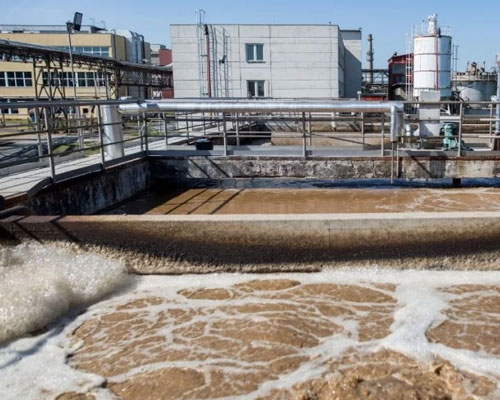
Why Do Sedimentation Tanks Need Regular Sludge Removal?
Sedimentation tanks separate suspended solids from water through settling. As solids accumulate at the bottom, the resulting sludge layer can interfere with routine operation and increase maintenance requirements.
1. Reduced Effective Tank Capacity
Accumulated sediment occupies space intended for water treatment or settling. Removing deposits when required helps maintain the usable capacity of the tank.
2. Increased Maintenance Work
Thick sludge deposits can be difficult to remove using conventional pumping equipment alone. Depending on the material, the cleaning process may require additional loosening, collection, or material-handling steps.
3. Restricted Access to Tank Bottoms
Large tanks, deep basins, and confined-access structures can make manual cleaning difficult. A remote-controlled dredging robot may provide an alternative where its dimensions and operating capabilities match the site.
4. Safety Concerns During Manual Cleaning
Entering a tank or enclosed basin may expose workers to confined-space hazards, including hazardous atmospheres, oxygen deficiency, and engulfment risks. Remote operation can reduce the need for personnel to enter the immediate cleaning area, but site-specific risk assessments and safety procedures remain necessary.
Key Features of the Sedimentation Tank Dredging Robot
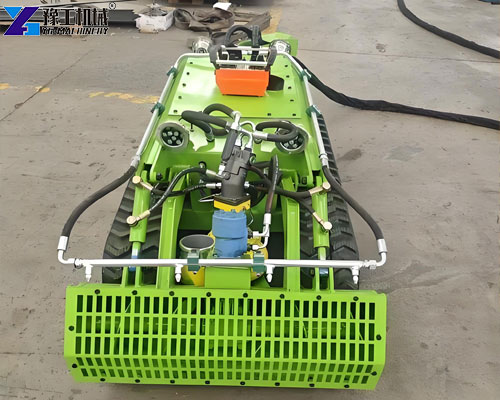
1. Compact Tracked Design
A tracked dredging robot can move across suitable tank floors and sediment-covered surfaces while carrying out cleaning operations. Its dimensions and ground-contact characteristics should be matched to the tank layout, floor condition, and access requirements.
For tanks with concrete floors or HDPE geomembrane liners, confirm that the track design and ground pressure are suitable for the surface. Liner condition, seams, anchoring, and the presence of sharp debris must also be considered.
2. Remote-Controlled Operation
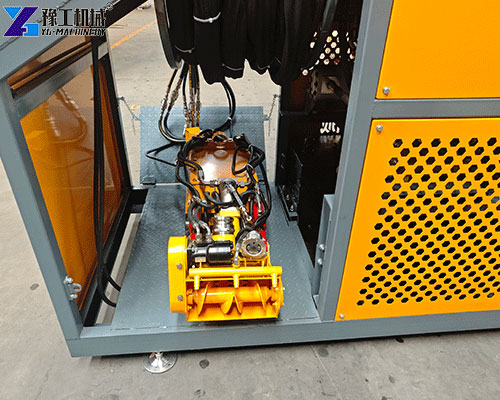
Remote control allows operators to guide the robot from a suitable operating position. Depending on the model, supported functions may include robot movement and operation of the sludge collection or pumping system.
Remote operation can reduce the need for workers to enter the cleaning area. It does not eliminate all site hazards or replace the required confined-space safety procedures.
3. Optional Camera and Lighting Systems
Sedimentation tanks and enclosed basins may have limited visibility, particularly when the water is turbid or the work area is poorly lit.
Where available, camera monitoring and underwater LED lighting can help operators observe equipment movement and working conditions. Visibility depends on water clarity, sediment disturbance, lighting conditions, and the selected configuration.
4. Sludge Pumping and Sediment Removal
The robot works with a suitable pump and discharge pipeline to transfer collected sludge out of the tank. Pump selection depends on solids concentration, particle size, material viscosity, discharge distance, and elevation changes.
For compacted deposits or material containing larger solids, additional loosening or a different pumping configuration may be required.
5. Configuration for Specific Working Conditions
Different sedimentation tanks can contain fine suspended solids, mineral sediment, organic sludge, or process residues. These materials may require different equipment configurations.
For corrosive substances, combustible atmospheres, or potentially explosive environments, confirm material compatibility, applicable certifications, and hazardous-area suitability before ordering. Do not assume that a standard configuration is suitable for every industrial environment.
Applications of Sedimentation Tank Dredging Robots
A sedimentation tank dredging robot can be evaluated for the following applications, subject to tank dimensions, sediment properties, and equipment compatibility.
1. Wastewater Treatment Plant Sedimentation Tanks
Municipal and industrial wastewater treatment facilities accumulate sludge as suspended solids settle during treatment. A suitable dredging robot can help remove deposits from selected sedimentation tanks and treatment basins.
2. Industrial Wastewater Settling Tanks
Manufacturing facilities may generate wastewater containing suspended solids, process residues, or other settleable materials. The robot can support sludge removal from suitable settling tanks when the material is compatible with the selected pumping system.
3. Mining Water Treatment and Sediment Ponds
Mining operations may use settling ponds and sedimentation tanks to remove suspended solids from mine water. A dredging robot may be suitable for removing compatible sediment from these facilities.
Tailings ponds and chemically contaminated residues require separate engineering assessment. Equipment compatibility, liner protection, material properties, and site safety must be verified before use.
4. Sludge Collection Tanks and Settling Basins
Industrial facilities may accumulate sludge in collection tanks and settling basins. A remote-controlled robot can help remove deposits where conventional cleaning equipment has limited access.
5. Selected Water Reservoirs and Lagoons
Suitable robot configurations may also be considered for sediment removal from smaller reservoirs, lagoons, and other confined water areas. Larger open-water projects may require a dedicated dredging vessel or an excavator-based pumping system.
For broader dredging requirements, see our Excavator Dredge Pump.nction as a lagoon dredging robot or lake dredging robot, removing sediment and restoring water quality.


Advantages of Using a Sedimentation Tank Dredging Robot
A sedimentation tank dredging robot provides a mechanized option for removing accumulated sludge from suitable tanks and basins. Its practical benefits depend on the site conditions and equipment configuration.
- Remote-Controlled Sludge Removal: Operators can control the robot from outside the immediate cleaning area, potentially reducing the need for personnel to enter the tank.
- Compact Equipment for Restricted Access: Depending on its dimensions, the robot may pass through narrow openings and operate in areas that are difficult to reach with larger equipment.
- Integrated Sludge Collection and Transfer: A compatible pump and discharge pipeline can collect and transport sludge to a designated location, reducing reliance on separate manual handling steps where the system is suitable.
- Adaptable Configurations: Robot dimensions, pumping capacity, discharge distance, and other configuration options can be evaluated against tank geometry and sludge characteristics.
Actual cleaning efficiency, labor requirements, and downtime depend on sediment properties, tank layout, pipeline arrangements, and operating conditions. A site-specific assessment is recommended before selecting a model.
How to Choose the Right Sedimentation Tank Dredging Robot?
To recommend a suitable model, evaluate the following information before requesting a quotation.
- Tank Dimensions and Access: Provide the tank length, width, depth, access opening dimensions, and any steps, slopes, or obstructions that could affect equipment entry.
- Sludge Composition and Thickness: Describe the sediment type, approximate sludge depth, solids concentration, viscosity, and any large particles or debris. Photos or material samples can help with the initial assessment.
- Pumping and Discharge Requirements: Specify the required discharge destination, pipeline length, elevation difference, and desired cleaning rate. These details help determine whether the available pump configuration is suitable.
- Tank Floor and Operating Conditions: Identify whether the floor is concrete, steel, or lined with HDPE geomembrane. Provide information about the liner condition, water depth, water temperature, and any corrosive or hazardous substances.
- Power and Control Requirements: Confirm the available power supply, required cable or hose arrangement, and any monitoring functions needed for the project.
Share these details with YG Machinery to help identify a suitable configuration for your sedimentation tank.


FAQ – Sedimentation Tank Dredging Robot
1.Can the robot clean wastewater treatment sedimentation tanks?
It can be considered for suitable wastewater treatment tanks. The selected model must match the tank dimensions, sediment characteristics, access conditions, and pumping requirements.
2.Can it remove thick sludge and slurry?
Suitability depends on the material’s viscosity, solids concentration, particle size, and the pump configuration. Very thick or compacted deposits may require additional loosening or specialized pumping equipment.
3.Can the robot operate in hazardous industrial environments?
Hazardous-area applications require confirmation of the selected model’s certifications, electrical and mechanical configuration, material compatibility, and suitability for the specific operating zone. A standard remote-controlled robot should not automatically be considered explosion-proof.
4.How much does a sedimentation tank dredging robot cost?
Pricing depends on the model, robot dimensions, pumping system, power configuration, hose length, optional monitoring equipment, and customization requirements. Shipping and after-sales arrangements may also affect the total cost.
To receive a quotation, provide the tank dimensions, sludge type, required pumping distance, and destination country.
Get a Quote for Your Sedimentation Tank Dredging Project
Need to remove accumulated sludge from a wastewater treatment tank, industrial settling basin, or mining sediment pond?
YG Machinery can help evaluate your tank dimensions, sludge properties, access conditions, and pumping requirements to identify a suitable dredging robot configuration.
Contact us with your project details and site photos to request a model recommendation and quotation.