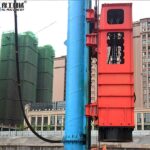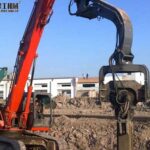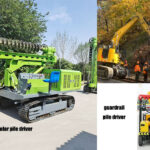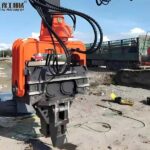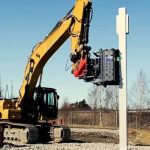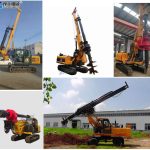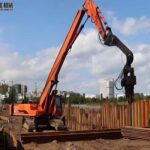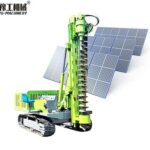
Pile installation is a critical process in foundation construction, marine engineering, infrastructure projects, and renewable energy development.
For contractors, selecting the right pile driving equipment directly affects construction speed, project cost, noise control, and final installation quality.
Two of the most commonly used piling methods are:
Both technologies are widely used in construction, but they work in different ways and perform differently under various site conditions.
A vibratory hammer uses high-frequency vibration to reduce soil resistance and help piles penetrate smoothly, while an impact pile hammer drives piles through repeated vertical impact force.
So, which method is better?
The answer depends on factors such as:
- Pile type
- Soil conditions
- Required installation depth
- Construction environment
- Noise and vibration restrictions
- Project budget
This article explains the differences between vibratory hammer vs impact pile hammer and helps contractors choose the right piling solution for their projects.
What Is a Vibratory Hammer?
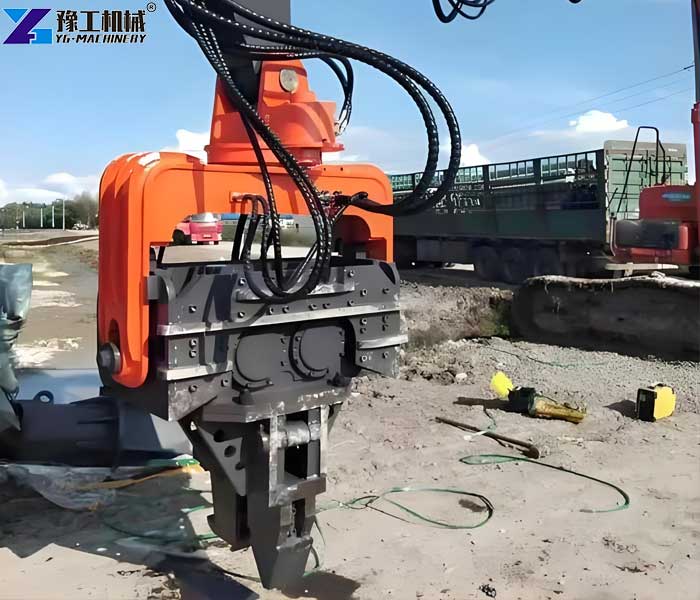
A vibratory hammer is a type of piling equipment that uses hydraulic or electric power to generate high-frequency vibration.
During operation, internal eccentric weights rotate at high speed, creating vibration force that reduces friction between the pile and surrounding soil.
This allows piles to penetrate the ground more efficiently.
A hydraulic vibratory hammer is commonly mounted on excavators or cranes and is widely used for:
- Steel sheet piles
- Steel pipes
- H-beams
- Temporary foundation piles
- Solar mounting piles
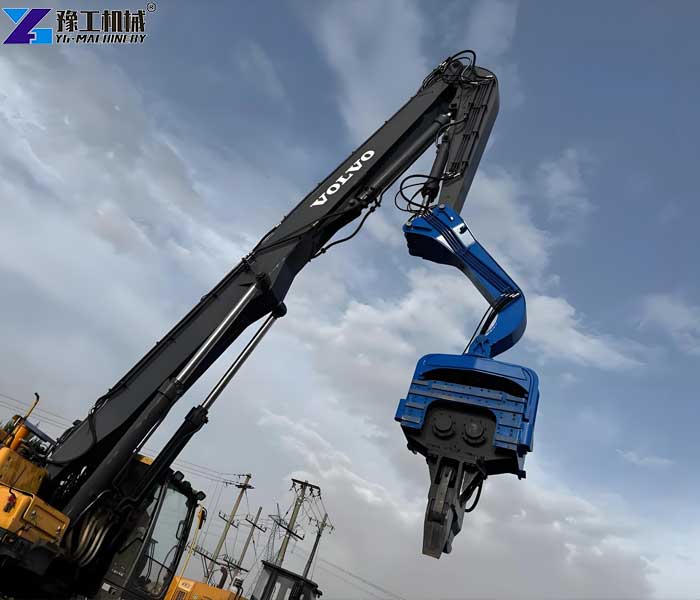
For contractors who already own excavators, an excavator-mounted vibratory hammer can be an efficient solution because it uses the existing hydraulic system as the power source.
What Is an impact pile hammer?
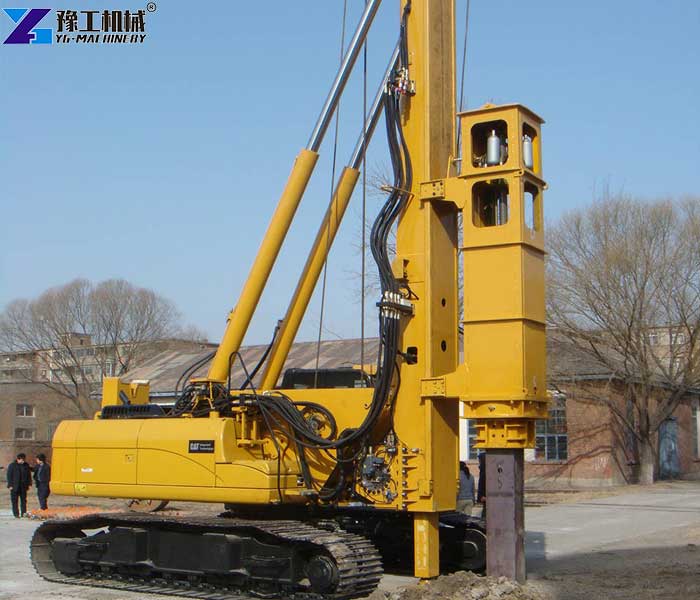
An impact pile hammer is a traditional pile driving machine that installs piles by repeatedly striking the top of the pile.
The hammer creates a strong downward impact force, pushing the pile into the ground.
Common types include:
- Diesel impact pile hammers
- Hydraulic impact pile hammers
- Drop hammers
impact pile hammers are often used for projects requiring very high driving energy, especially when piles need to penetrate dense soil layers or achieve significant bearing capacity.
Typical applications include:
- Large foundation projects
- Bridge construction
- Heavy structural foundations
- Deep pile installation
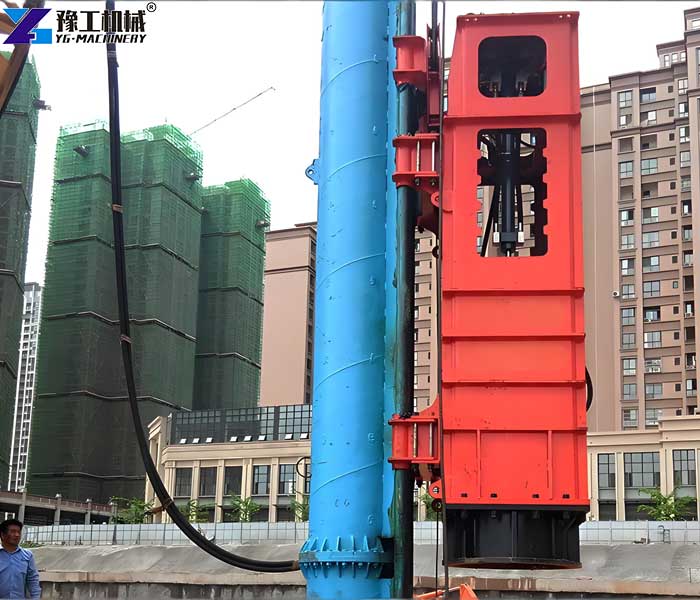
Vibratory Hammer vs impact pile hammer: Working Principle Comparison
| Working method | High-frequency vibration | Repeated impact force |
| Main energy source | Hydraulic motor or electric motor | Hydraulic, diesel, or mechanical impact |
| Soil effect | Reduces friction around pile | Breaks soil resistance through impact |
| Installation speed | Generally faster for suitable conditions | Usually slower |
| Noise level | Lower | Higher |
| Vibration impact | More controlled | Strong impact vibration |
Key Differences Between Vibratory Hammer and impact pile hammer
1. Installation Speed
For many sheet pile and temporary structure projects, installation speed is a major concern.
A vibratory hammer continuously generates vibration, allowing piles to move into the soil smoothly without waiting between impact cycles.
Advantages include:
- Faster sheet pile installation
- Reduced downtime
- Higher daily productivity
This makes a sheet pile vibratory hammer particularly effective for:
- Cofferdams
- Retaining walls
- River protection
- Temporary construction structures
impact pile hammers, however, may require more time because each pile is installed through repeated strikes.
For large projects with hundreds of piles, installation speed can significantly influence total project costs.
2. Noise and Environmental Impact
Construction projects in urban areas, near residential zones, or environmentally sensitive locations often face strict noise requirements.
impact pile hammers generate strong impact noise because each blow creates a sudden release of energy.
A vibratory hammer produces continuous vibration instead of repeated impact.
Benefits include:
- Lower operating noise
- Reduced disturbance to nearby structures
- Better suitability for urban construction
For projects where environmental impact is an important consideration, vibration-based installation is often preferred.
3. Pile Installation Accuracy
Proper pile positioning is essential for many engineering applications.
A vibratory hammer provides operators with better control during installation because the vibration process is smoother.
This is especially useful for:
- Steel sheet piles
- Temporary retaining structures
- Cofferdam systems
A hydraulic vibratory hammer can also support pile extraction, allowing contractors to reuse temporary piles after project completion.
4. Soil Condition Adaptability
Soil conditions are one of the most important factors when choosing piling equipment.
①Vibratory Hammer
Best suited for:
- Sand
- Gravel
- Soft clay
- Medium-density soil
The vibration reduces friction between the pile and soil, improving penetration efficiency.
②impact pile hammer
Better suited for:
- Hard soil layers
- Dense gravel
- Rock layers
- Deep foundation piles
The impact force can overcome resistance where vibration alone may not be sufficient.
Vibratory Hammer vs Impact Pile Hammer for Sheet Pile Installation
Sheet piles are commonly used in:
- Flood protection
- Marine construction
- Excavation support
- Temporary retaining walls
For these applications, vibratory hammers are often preferred because:
1.Faster Installation
Steel sheet piles can be installed continuously, improving project efficiency.
2.Easier Extraction
Many sheet pile projects require temporary structures.
A vibratory hammer can both install and remove piles, increasing equipment value.
3.Lower Construction Disturbance
Reduced noise and impact make it suitable for projects near existing structures.
However, when sheet piles must penetrate very hard ground conditions, contractors may choose impact methods or combine both technologies.
Vibratory Hammer vs Impact Pile Hammer: Cost Comparison
Cost is not only about equipment purchase price.
Contractors should consider:
- Transportation costs
- Labor requirements
- Installation time
- Equipment flexibility
- Maintenance requirements
1.Vibratory Hammer Advantages
- Can be mounted on existing excavators
- Requires fewer supporting machines
- Faster operation for suitable projects
- Easy transportation between job sites
2.Impact Pile Hammer Advantages
- Strong driving capability
- Suitable for difficult ground conditions
- Effective for deep foundation applications
The best choice depends on the project requirements rather than equipment type alone.
When Should You Choose a Vibratory Hammer?
A vibratory hammer is recommended when:
1.You Need Fast Sheet Pile Installation
For projects requiring many repeated pile installations, vibration technology improves productivity.
2.You Already Own Excavators
An excavator-mounted solution allows contractors to maximize existing equipment investment.
3.Noise Control Is Important
Urban and environmentally sensitive projects often benefit from lower noise operation.
4.You Need Flexible Pile Installation Equipment
A vibratory hammer can handle:
- Sheet piles
- Steel pipes
- H-beams
- Solar foundation piles
When Should You Choose an impact pile hammer?
An impact pile hammer may be more suitable when:
- Soil conditions are extremely hard
- Very deep piles are required
- Maximum driving energy is needed
- Bearing capacity requirements are extremely high
In some projects, contractors combine both methods:
- Use a vibratory hammer for fast initial installation.
- Use an impact pile hammer for final penetration.
This approach can balance efficiency and driving performance.
How to Select the Right Pile Driving Equipment?
Before choosing equipment, contractors should evaluate:
1. Pile Specifications
Consider:
- Pile material
- Pile length
- Pile weight
- Installation depth
Different piles require different vibration or impact forces.
2. Soil Conditions
Analyze:
- Soil hardness
- Ground layers
- Underground obstacles
The wrong equipment selection can reduce efficiency and increase project costs.
3. Construction Environment
Consider:
- Noise restrictions
- Working space
- Transportation requirements
- Nearby structures
For limited-access projects, flexible equipment such as a hydraulic pile driver mounted on an excavator may provide practical advantages.
Conclusion: Which Pile Driving Method Is Better?
There is no single answer to vibratory hammer vs impact pile hammer.
The better choice depends on project conditions.
A vibratory hammer is usually the preferred option for:
- Sheet pile installation
- Marine projects
- Temporary structures
- Urban construction
- Projects requiring fast and flexible operation
An impact pile hammer remains valuable for:
- Hard soil conditions
- Deep foundation projects
- Heavy-duty pile driving
For many contractors, choosing the right pile driving equipment means balancing installation efficiency, environmental requirements, and total project costs.
YG Machinery provides hydraulic piling solutions, including excavator-mounted vibratory hammers and hydraulic pile driving equipment, designed for different construction applications.
If you need help selecting the right piling method for your project, contact our engineering team for a customized recommendation.