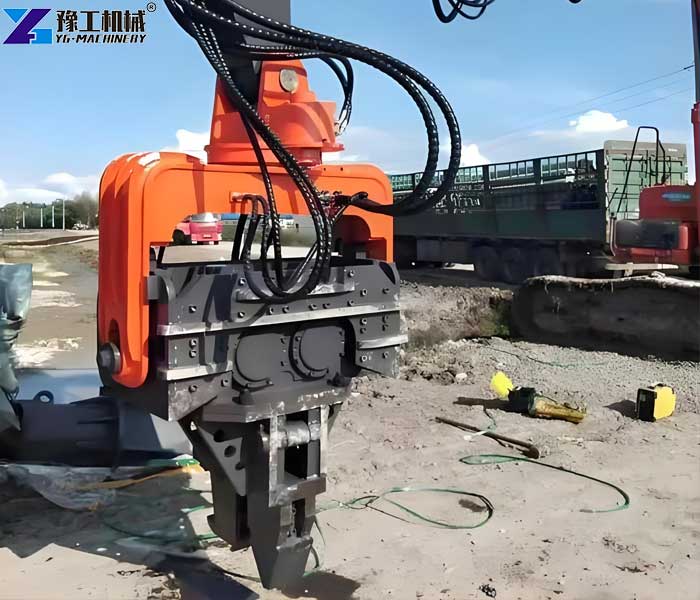

Reliable Hydraulic Solution for Fast and Precise Sheet Pile Driving
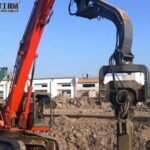
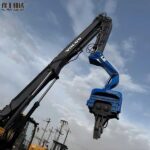
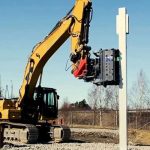
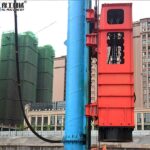
A sheet pile vibratory hammer is designed to drive steel sheet piles into the ground and extract them when required. It uses hydraulic-powered vibration to help reduce soil resistance, making it suitable for temporary retaining walls, cofferdams, excavation support, riverbank protection, and marine construction.
YG Machinery offers three models—YG-45, YG-80, and YG-125—for excavators ranging from 12 to 40 tons. Model selection depends on sheet pile dimensions, ground conditions, required extraction force, and excavator hydraulic capacity.
Whether you are installing sheet piles for a new foundation or removing temporary piles for reuse, selecting the right vibratory hammer helps improve construction efficiency and equipment utilization.

Sheet Pile Vibratory Hammer Parameters
Compare the main specifications of the YG-45, YG-80, and YG-125 to identify a model for your piling project.
| Specification | YG-45 | YG-80 | YG-125 |
|---|---|---|---|
| Suitable Excavator | 12–18 T | 20–27 T | 30–40 T |
| Working Flow Rate (L/min) | 113 | 200 | 260 |
| Maximum Working Pressure (MPa) | 35 | 35 | 35 |
| Maximum Vibration Force (kN) | 343 | 450 | 695 |
| Vibration Frequency (rpm) | 2,500 | 2,500 | 2,080 |
| Maximum Pile Extraction Force (kN) | 120 | 120 | 168 |
| Machine Weight (kg) | 1,350 | 2,300 | 2,800 |
| Dimensions (mm) | 2,306 × 1,268 × 680 | 2,306 × 1,268 × 680 | 2,610 × 1,616 × 746 |
Final compatibility should be confirmed against the excavator’s hydraulic flow, working pressure, lifting capacity, and the sheet pile specifications.

Steel Sheet Pile Installation with a Vibratory Hammer
Steel sheet piles are commonly installed to form retaining walls, temporary enclosures, and barriers that support soil or help control water. A vibratory hammer transfers vibration to the pile, helping it penetrate the ground by reducing resistance along the pile surface.
The typical installation process involves:
- Position the sheet pile: Align the pile with the planned installation line and check verticality.
- Secure the pile: Use a compatible clamp to grip the steel sheet pile firmly.
- Drive the pile: Apply vibration while guiding the pile into the ground to the required depth.
- Check alignment: Verify pile position and alignment throughout installation.
The required vibration force and installation performance depend on pile length, profile, embedment depth, and ground conditions. Dense soil, hard layers, or underground obstructions may affect penetration and require further assessment.
Steel Sheet Pile Extraction and Removal
Many temporary construction projects require sheet piles to be removed after the permanent structure is complete. Examples include cofferdams, temporary retaining walls, and excavation support systems.
A vibratory hammer can help loosen the surrounding soil and extract the pile. The operator secures the pile with a compatible clamp, applies vibration, and gradually lifts the pile while monitoring the machine and site conditions.
Maximum pile extraction force is an important selection factor, but it does not determine actual extraction performance on its own. The required force also depends on embedment depth, soil resistance, pile condition, and how long the pile has remained in the ground.
If the project requires both installation and removal, evaluate the equipment for both operations before choosing a model.
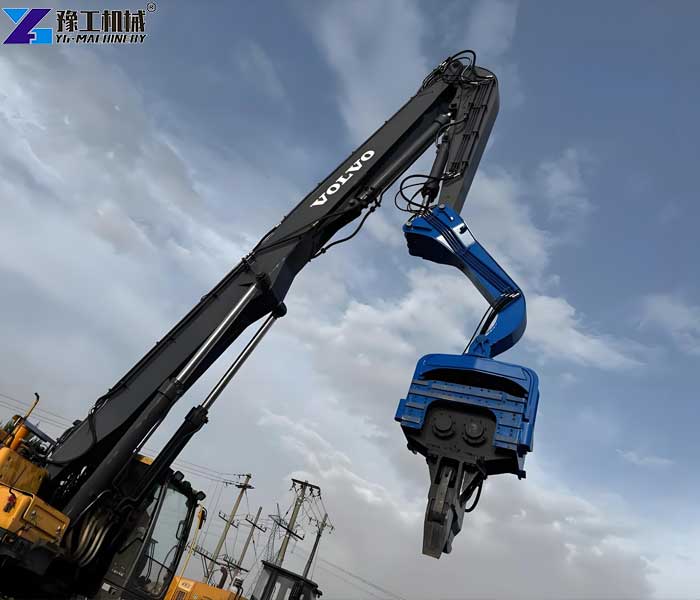
Applications of Sheet Pile Vibratory Hammers
- Cofferdam Construction: Sheet piles form temporary enclosures that help isolate construction areas from surrounding water. Vibratory hammers can be used to install and remove these piles during bridge foundations, river works, and other projects.
- Excavation and Foundation Support: Steel sheet piles provide temporary or permanent support around foundation pits and underground construction areas. Installation requirements depend on the pile profile, excavation depth, and soil conditions.
- Riverbank and Flood Protection: Sheet piles can reinforce riverbanks and support flood-control structures. The selected hammer should match the pile dimensions and the ground conditions at the site.
- Marine and Waterfront Construction: Ports, docks, wharves, and other waterfront projects may use sheet piles for retaining and support structures. Site access, groundwater, and the proximity of existing structures should be considered during equipment selection.

How to Choose the Right Sheet Pile Vibratory Hammer?
Choosing a hammer requires matching the equipment to the pile, the ground, and the excavator.
1. Check Sheet Pile Dimensions and Profile
Provide the pile length, cross-sectional profile, weight, and target installation depth. The clamp must fit the pile and transmit vibration effectively.
2. Evaluate Ground Conditions
Soft soil and loose sand may allow easier penetration than dense sand, stiff clay, or ground containing obstructions. Ground conditions also influence how difficult the piles will be to extract.
3. Match the Excavator’s Hydraulic System
Confirm the excavator’s operating weight, hydraulic flow rate, maximum working pressure, and lifting capacity. For the YG models, the stated excavator ranges are:
- YG-45: 12–18 ton excavators
- YG-80: 20–27 ton excavators
- YG-125: 30–40 ton excavators
These ranges are starting points for model selection. The excavator must also meet the hammer’s hydraulic and operating requirements.
4. Consider Extraction Requirements
If piles must be removed after construction, assess the likely extraction resistance as well as the hammer’s maximum extraction force. Deeply embedded piles or piles in dense ground may require a different equipment configuration or removal plan.
For a project-specific recommendation, provide your sheet pile dimensions, installation depth, soil conditions, excavator model, and hydraulic specifications.
Sheet Pile Vibratory Hammer vs. Side Grip Vibro Hammer
A conventional sheet pile vibratory hammer and a side grip vibro hammer may both be suitable for certain steel sheet pile projects, but their clamping arrangements and handling methods differ.
A side grip vibro hammer uses a side-clamping design that can suit projects requiring particular pile-handling arrangements or access conditions. The appropriate choice depends on pile length, profile, working space, excavator compatibility, and the installation method.
For projects where side clamping is a priority, explore our side grip vibro hammer and confirm clamp compatibility before ordering.etween efficiency and cost control, hydraulic vibration technology provides a practical piling solution.

Frequently Asked Questions
1.Can a sheet pile vibratory hammer install and extract steel sheet piles?
Yes. A suitable vibratory hammer can be used for both operations. Actual performance depends on the pile specifications, soil resistance, embedment depth, clamp compatibility, and excavator capacity.
2.Which YG model is suitable for my excavator?
The YG-45 is listed for 12–18 ton excavators, the YG-80 for 20–27 ton excavators, and the YG-125 for 30–40 ton excavators. Hydraulic flow, pressure, and lifting capacity must also be checked before confirming compatibility.
3.What affects sheet pile extraction force?
Extraction resistance is affected by pile embedment depth, soil type, friction against the pile, obstructions, and the time the pile has remained in the ground. The hammer’s maximum extraction force should be assessed alongside these site conditions.
4.What information is needed to select a vibratory hammer?
Provide the sheet pile length, profile and weight, required installation depth, soil conditions, excavator model, hydraulic flow rate, and working pressure. Also indicate whether the project requires installation, extraction, or both.

Request a Quote for Steel Sheet Pile Installation and Extraction
Looking for a sheet pile vibratory hammer for your next construction project? Send YG Machinery your sheet pile specifications, excavator details, and site conditions.
Our team can help assess model compatibility and recommend a suitable solution for steel sheet pile installation and extraction.