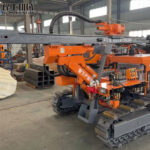


An RC mining drilling rig is used for mineral exploration and grade control drilling, helping mining companies collect rock samples for geological analysis. In gold exploration, a reverse circulation (RC) drilling rig provides a practical method for collecting drilling samples to evaluate mineralization, identify potential ore zones, and support further exploration decisions.
YG Machinery offers RC drilling rig models for mining and geological exploration applications. Depending on the model and configuration, the equipment can be selected for different drilling depths, hole diameters, geological conditions, and site requirements.
When choosing an RC mining drilling rig for gold exploration, consider more than drilling depth. Drilling performance, sample handling, compressed air capacity, equipment mobility, and the availability of compatible drilling tools all affect project efficiency.
Looking for an RC mining drilling rig for your gold exploration project? Send us your required drilling depth, hole diameter, geological conditions, and project location to receive model recommendations and a quotation.
RC Mining Drilling Rig Parameters
| Technical Parameters | Unit | YG-400 | YG-500 | YG-600 | YG-800 | YG-1200 |
| Max drilling depth | m | 400 | 500 | 600 | 800 | 1200 |
| Hole diameter | mm | 105–305 | 105–400 | 105–450 | 105–550 | 105–800 |
| Recommended working pressure | MPa | 1.2–3.5 | 1.6–6 | 1.6–6 | 1.6–8 | 1.6–8 |
| Recommended air consumption | m³/min | 16–55 | 16–55 | 16–75 | 16–96 | 16–96 |
| Drill pipe length | m | 3 | 3 | 3 | 6 | 6 |
| Recommended drill pipe diameter | mm | 89/102 | 102/114 | 102/114 | 114/127 | 127/146 |
| RC double-wall pipe diameter | mm | 89/102 | 102/114 | 102/114 | 114/127 | 127/146 |
| Feed force | T | 6 | 7 | 7 | 11 | 13 |
| Lifting force | T | 22 | 25 | 29 | 47 | 57 |
| Fast lifting speed | m/min | 20 | 23 | 29 | 29 | 30 |
| Fast feeding speed | m/min | 32 | 33 | 33 | 42 | 44 |
| Max rotary torque | Nm | 8000/4000 | 10000/5000 | 12000/6000 | 18000/9000 | 24000/12000 |
| Max rotary speed | r/min | 75/150 | 75/150 | 75/150 | 70/140 | 86/172 |
| Aux winch lifting force | T | 1.5 | 1.5 | 2.5 | 2.5 | 2.5 |
| Mast stroke | m | 1.6 | 1.6 | 1.7 | 1.7 | 1.7 |
| Travel speed | km/h | 10–35 | 10–35 | 10–35 | 10–35 | 10–35 |
| Gradeability | ° | 21 | 21 | 21 | 21 | 21 |
| Machine weight | T | 11 | 12 | 12.5 | 17 | 23 |
| Overall dimensions (L×W×H) | m | 7×1.85×2.86 | 7×2.1×2.9 | 7×2.1×2.9 | 10.5×2.25×3.3 | 11.5×2.25×3.4 |
| Engine | / | Yuchai 92kW | Cummins 132kW | Cummins 132kW | Cummins 194kW | Cummins 264kW |


Why Use an RC Mining Drilling Rig for Gold Exploration?
Gold exploration requires reliable geological samples to help geologists evaluate mineralization and determine where further investigation may be needed. RC drilling is widely used in mineral exploration because it can provide relatively fast drilling and continuous sample collection when the equipment and drilling method are suitable for the site.
Key advantages include:
- Efficient sample collection: The reverse circulation system transports rock cuttings through the inner tube of the dual-wall drill pipe to the surface for collection.
- Support for geological analysis: Collected samples can be logged and tested to help assess rock types, mineralization, and gold grades.
- Reduced sample mixing risk: The reverse circulation design helps separate the sample return path from the annular space used to deliver compressed air. Actual sample quality still depends on drilling conditions, equipment maintenance, and correct operating procedures.
- Suitable for exploration programs: RC drilling can support exploration drilling and grade control where the geological conditions and project requirements are appropriate.
- Flexible equipment configurations: The rig, drill pipes, hammers, bits, and air compressor can be selected according to the required drilling depth, hole diameter, and rock conditions.
RC drilling is not suitable for every geological formation or exploration objective. The appropriate drilling method should be selected based on the ground conditions, sampling requirements, and project plan.
How Does Reverse Circulation Drilling Work?
A reverse circulation drilling rig uses compressed air and dual-wall drill pipes to bring rock cuttings from the bottom of the borehole to the surface.
The drilling process generally involves the following steps:
- Drilling and rock fragmentation: A suitable drill bit, often used with a down-the-hole hammer in hard-rock applications, breaks the rock at the bottom of the borehole.
- Compressed air delivery: Air travels through the drilling system to support the drilling process and sample transport.
- Reverse circulation sample return: Rock cuttings enter the inner tube of the dual-wall drill pipe and travel upward toward the surface.
- Sample separation and collection: The returned material passes through a sample collection system, which may include a cyclone and splitter, depending on the configuration.
- Geological logging and testing: Samples are labeled, recorded, and sent for appropriate geological analysis or laboratory testing.

The sample collection system is an important part of gold exploration drilling. Proper setup, regular maintenance, and consistent sampling procedures help improve sample handling and reduce the risk of contamination or sample loss.arator is used to separate rock cuttings from airflow. This ensures that samples remain clean, uncontaminated, and suitable for precise mineral analysis.
RC Mining Drilling Rig for Different Gold Exploration Conditions
The right RC mining drilling rig depends on the geology, planned drilling program, and access conditions at the exploration site.
1. Gold Exploration in Hard Rock
Hard-rock gold exploration may require a drilling system capable of working in competent rock formations. A compatible down-the-hole hammer, drill bit, and compressed air system are important for maintaining suitable drilling performance.
When selecting equipment, confirm the expected rock hardness, fracture conditions, required hole diameter, and drilling depth. These factors influence the choice of the rig and its supporting equipment.
2. Mineral Exploration and Grade Control
RC drilling can be used to collect samples from planned drilling intervals for geological interpretation and grade control. Consistent sample collection and clear sample identification are essential when evaluating mineralized zones.
The required drilling pattern, hole depth, sample interval, and laboratory testing procedure should be determined by the project’s geological team.
3. Remote Mining and Exploration Sites
Mining exploration may take place in locations with limited infrastructure or difficult access. In these situations, equipment transport, rig dimensions, ground conditions, power availability, and maintenance support should be considered alongside drilling performance.
Before ordering, confirm the machine’s transport dimensions, operating weight, mobility configuration, and the availability of compatible spare parts.

How to Choose the Right RC Mining Drilling Rig?
Choosing an RC mining drilling rig requires matching the equipment to the actual exploration program rather than selecting a machine based on maximum drilling depth alone.
1. Required Drilling Depth
Determine the planned borehole depth and whether the drilling program involves shallow exploration, deeper mineral investigation, or grade control drilling.
Compare the rated depth of each rig under the intended operating conditions. Actual achievable depth can vary with rock formation, hole diameter, drill pipe configuration, and supporting equipment.
2. Hole Diameter and Sample Requirements
The required hole diameter affects the drill bit, hammer, drill pipe, and air consumption. It can also influence drilling performance and sample transport.
Confirm the target hole diameter and the sample volume needed for geological analysis before selecting the machine.
3. Geological Conditions
Rock hardness, fractures, water-bearing formations, and changes in ground conditions can affect drilling performance and sample quality.
Provide the manufacturer with available geological information so the technical team can assess the appropriate drilling system, hammer, bit, and operating configuration.
4. Air Compressor Capacity
Compressed air is an essential part of many RC drilling systems. The required pressure and air volume depend on the selected rig, hammer, hole diameter, drilling depth, and site conditions.
Check the compressor’s rated working pressure and air delivery capacity against the equipment manufacturer’s requirements. Do not select a compressor based only on engine power or a general capacity estimate.
5. Sample Collection System
For gold exploration, the sample return system should be suitable for the planned sampling method. Depending on the project, the configuration may include a cyclone, sample splitter, collection bags, and other sample-handling components.
Ask the supplier to confirm which components are included and which must be purchased separately.
6. Mobility, Maintenance, and Operating Costs
Consider the site terrain, transportation arrangements, available operators, maintenance resources, and consumable requirements.
The total cost of ownership includes more than the initial machine price. Drill bits, hammers, drill pipes, compressor fuel, routine maintenance, and spare parts can all affect operating costs.

YG RC Mining Drilling Rig Models and Specifications
YG Machinery offers RC drilling rig models for mineral exploration and related drilling applications. The appropriate model depends on the required drilling depth, hole diameter, geology, and site configuration.
The available model range has been listed as YG-400 to YG-1200. Before making a purchase decision, confirm the current model specifications and the suitability of each configuration for your gold exploration project.
When comparing models, review the following information:
- Rated drilling depth and applicable operating conditions
- Available hole diameters
- Drill pipe and down-the-hole hammer compatibility
- Required air pressure and compressor delivery capacity
- Rig dimensions, operating weight, and mobility
- Sample collection equipment and optional accessories
- Spare parts availability and technical support
Request a Model Recommendation
Send YG Machinery your planned drilling depth, target hole diameter, geological conditions, and project location. Our team can help you identify a suitable configuration and provide detailed specifications for evaluation.
RC Drilling Applications in Gold Exploration
RC drilling can support several stages of a gold exploration program, depending on the project’s geological objectives and drilling plan.
Mineral Exploration Drilling
Exploration teams use drilling samples to investigate subsurface rock formations and assess potential mineralized zones. The results are interpreted together with geological mapping, geophysical information, and laboratory assays.
Ore Zone Evaluation
Samples collected from planned drilling intervals can help geologists evaluate the distribution of mineralization and refine their understanding of the deposit. Reliable interpretation requires appropriate sampling procedures, quality control, and laboratory analysis.
Grade Control Drilling
Where suitable for the mining operation, RC drilling can support grade control programs by providing samples used to assess variations in mineralization. The drilling pattern and sampling intervals should follow the mine’s geological and operational requirements.
RC drilling provides geological samples; it does not independently confirm the commercial viability of a gold deposit. Mineral resource assessment requires appropriate geological interpretation and supporting test results.
RC Mining Drilling Rig Price
The price of an RC mining drilling rig depends on its drilling capacity, configuration, supporting equipment, and project requirements.
Factors that can affect the quotation include:
- Required drilling depth and hole diameter
- Rig model and mobility configuration
- Drill pipes, hammers, bits, and other drilling tools
- Air compressor specifications
- Cyclone, sample splitter, and sample collection accessories
- Destination country, shipping arrangements, and after-sales requirements
A suitable quotation should be based on your actual drilling program rather than the machine model alone.
To help us recommend the right equipment, please provide your target drilling depth, hole diameter, expected geological conditions, project location, and whether you already have a compatible air compressor.
Contact YG Machinery for an RC mining drilling rig quotation and technical consultation.
FAQ about RC Mining Drilling Rig
1. What is an RC mining drilling rig used for?
An RC mining drilling rig is used to collect rock samples for mineral exploration and grade control drilling. In gold exploration, these samples help geologists investigate mineralization and evaluate potential ore zones.
2. How does an RC drilling rig collect samples?
The rig uses a reverse circulation system and dual-wall drill pipes to transport rock cuttings through the inner tube to the surface. A suitable collection system then separates and gathers the samples for geological logging and analysis.
3. Is RC drilling suitable for gold exploration in hard rock?
RC drilling can be suitable for many hard-rock exploration projects when the rig, hammer, drill bit, and compressed air system are correctly matched to the geology. The final equipment selection should be based on rock conditions, drilling depth, and sampling requirements.
4. How deep can an RC mining drilling rig drill?
Maximum drilling depth varies by model and operating conditions. It depends on factors such as the rig configuration, hole diameter, rock formation, drill pipe, and supporting equipment. Ask the manufacturer to confirm the rated depth for your specific application.
5. Does an RC mining drilling rig require an air compressor?
Most RC drilling systems require a suitable compressed air supply for drilling and sample transport. The required pressure and air volume depend on the selected hammer, hole diameter, drilling depth, and system configuration.
6. How do I choose an RC mining drilling rig for a gold exploration project?
Start with the target drilling depth, hole diameter, geological conditions, and sample collection requirements. Then confirm the rig configuration, compressor capacity, drilling tools, mobility, and spare parts support with the manufacturer.
7. What information is needed to get an RC drilling rig quotation?
Provide the required drilling depth, target hole diameter, geological conditions, project location, expected drilling workload, and compressor requirements. This information helps the supplier recommend a suitable model and prepare a more accurate quotation.
Request an RC Mining Drilling Rig for Your Gold Exploration Project
Choosing the right RC mining drilling rig can help your team plan drilling operations and sample collection more effectively. The best configuration depends on the geological conditions, drilling program, and required sampling method.
Contact YG Machinery with your project details to discuss suitable models, technical specifications, supporting equipment, and pricing.